Why La Jolla's Historical Society Renamed Itself After a Home Tour
September 24, 2026
September 24, 2026
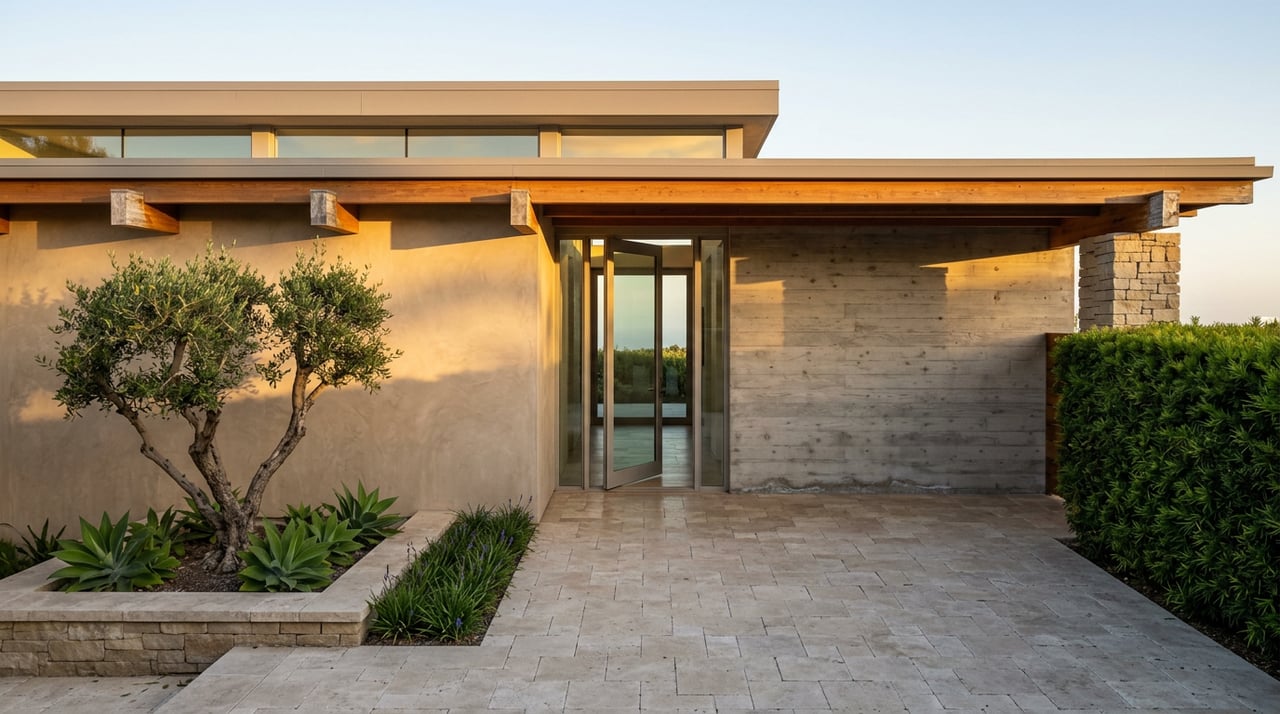
For decades, the organization at 780 Prospect Street called itself the La Jolla Historical Society. It kept the archives, ran the walking tours, held the old post cards and ship manifests that trace how a village of beach cottages became one of California's most recognized coastlines. This year it goes by a different name: the Museum of History and Culture La Jolla. The reason has less to do with a rebrand consultant than with a house tour that started small four years ago and got too big to ignore.
The La Jolla Modernism Tour returns October 3, and the museum's leadership has been direct about what pushed the name change. Executive Director Lauren Lockhart called the growth of the modernism program part of why the institution now presents itself as a museum rather than a historical society, describing the shift as "this natural transition to being recognized as a museum." That is a striking thing for a longtime local institution to say out loud. It means the six private homes opened to the public each October have done more to shape how this town understands its own identity than any single exhibit in the building.
Four years ago, the modernism tour was one program among several. Lockhart said the museum is now "bringing in new audiences who had never discovered us before through their interest in modernism." Modernism Committee Chair Joan Gand echoed the momentum heading into this year's event: "We're excited this year to have more people coming." Neither statement reads like marketing copy. It reads like an organization noticing, later than expected, which part of its work actually resonates with the people living around it.
That matters if you already call this neighborhood home. The tour is not a novelty aimed at tourists. It draws from a very specific, very local architectural record, one that shaped which streets have flat-roofed glass boxes tucked between Craftsman cottages and Spanish revival villas.
This year's programming centers on UC San Diego, and the connection is more direct than a shared zip code. UCSD was founded in 1964, and Gand traces a straight line from that founding to the houses on this year's tour. Roger Revelle, the university's founder, spent the 1960s recruiting scientists and professors to La Jolla. Once they arrived, Gand said, those new residents "hired all of the exciting young architects that were practicing at the time." Two of the homes on this year's tour still hold their original furniture and artwork, meaning the people who commissioned these houses never fully left them.
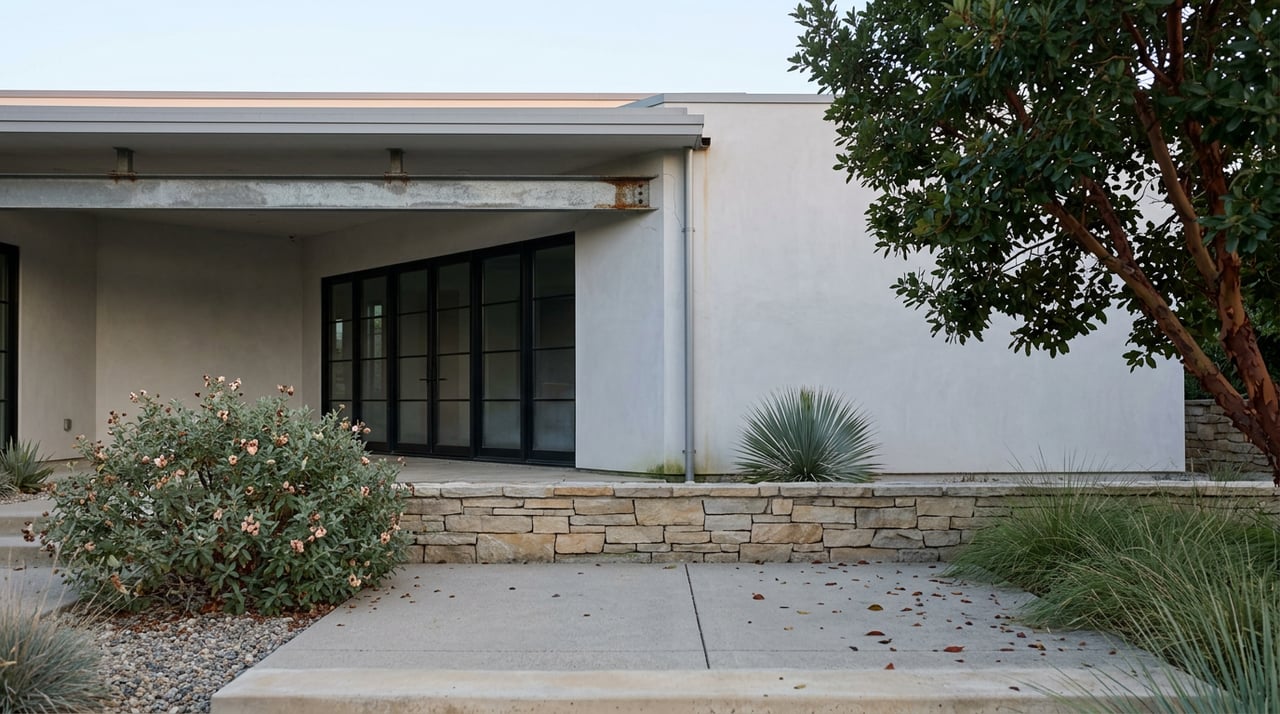
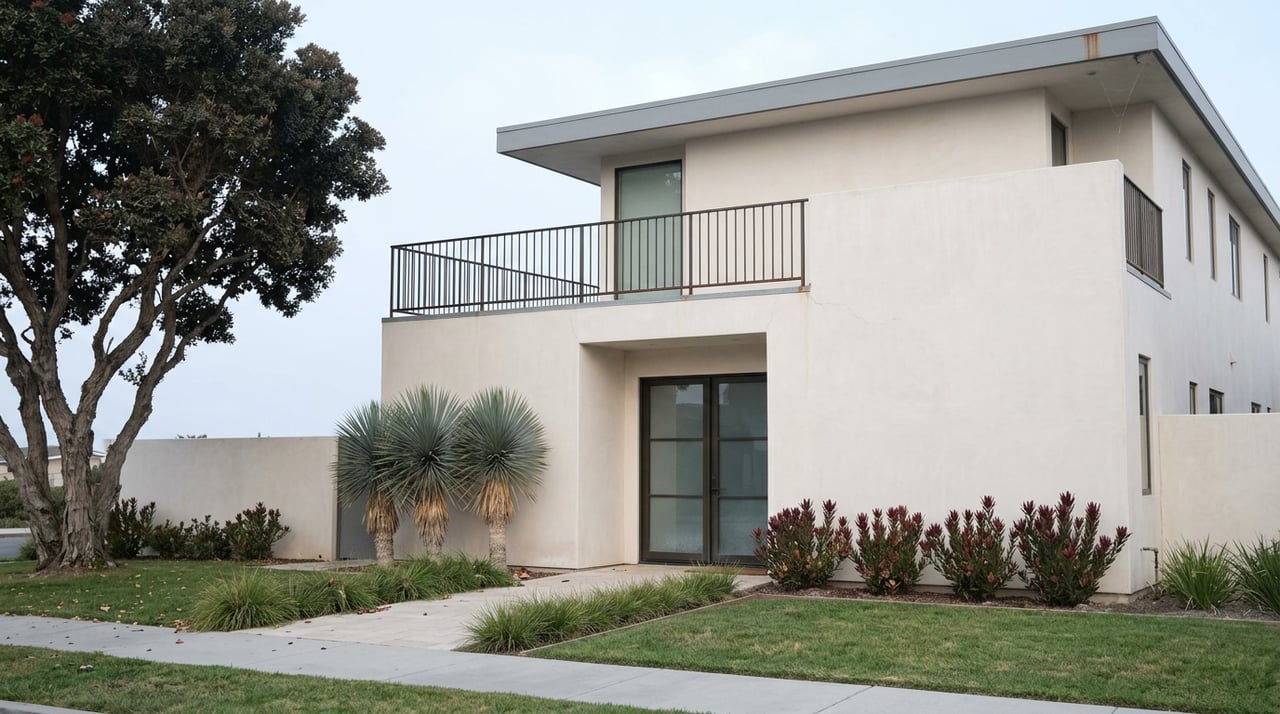
That wave built on something older. Irving Gill was designing in La Jolla as early as the 1900s, and his 1932 Wheeler Bailey Apartment predates the UCSD recruiting boom by three decades. The postwar generation that Revelle's hiring spree helped attract, architects like Homer Delawie, Lloyd Ruocco, Kendrick Bangs Kellogg, Henry Hester, William Kesling, Sim Bruce Richards, Russell Forester, and Frederick Liebhardt, worked in a town that already had Gill's clean-facade sensibility on the ground. The tour houses sit in subdivisions like the Barber Tract, Muirlands, Hermosa, and the Shores, neighborhoods that opened up in the 1920s once cars and electric streetcars made them reachable. The result is a layered streetscape: 1920s cottages, Gill's early modernism, then the 1960s wave that UCSD's growth pulled in behind it.
Several of these houses now carry San Diego Landmark status, a designation that protects them from the kind of alteration or demolition that would erase that layering entirely.
| Event | Date | Time | Ticket |
|---|---|---|---|
| Modernism Cocktail Party | Oct. 2 | 5–7 p.m. | $95 |
| La Jolla Modernism Home Tour | Oct. 3 | 10 a.m.–4 p.m. | $45 |
| Architecture Week programming | Oct. 5–11 | varies by session | separate pricing |
| La Jolla Jewel Awards | Oct. 11 | 4–5:30 p.m. | $50 |
The cocktail party on Friday night includes a bus ride to a private midcentury residence not otherwise on the public tour, followed by a look at the museum's new exhibition. Saturday's home tour is the main event, six houses, self-paced, opening at 10 a.m. Parking in the Village fills up fast on tour day, a fact anyone who has tried to find a spot on a Saturday already knows, so budgeting extra time before your first stop is worth it.
Two sessions during Architecture Week move the tour onto the UC San Diego campus itself. One is a guided walk through William L. Pereira's Geisel Library, led by Lynda Claassen, the university's Director of Special Collections and Archives, paired with a self-guided walk through the campus's Stuart Collection artworks. The other is a rare look inside Lloyd Ruocco's 1963 Walter Munk Laboratory at Scripps Institution of Oceanography, a redwood and glass structure that Gand has called "one of the most beautiful buildings on campus." That tour is led by Todd Pitman, UC San Diego's Director of Physical Planning.
Neither building is a private residence, but both explain the same thing the house tour does from a different angle: La Jolla's architecture didn't happen in isolation from the university that grew up alongside it. The people commissioning campus buildings and the people commissioning private homes in the 1960s were often moving in the same circles, sometimes hiring the same architects.
An institution doesn't rename itself lightly, especially one that has spent decades as the keeper of a town's written history. When the Museum of History and Culture La Jolla points to its modernism program as the reason for the shift, it's telling residents something about how the neighborhood now sees itself. The postcards and old maps in the archive are still there. But the identity the museum wants to lead with is the one visible from the sidewalk: a coastline where a 1932 Gill apartment building, a 1963 Ruocco laboratory, and a 1960s recruiting boom's worth of private homes all sit within walking distance of each other.
If you want a preview before ticket day, the museum's new exhibition, The Scientific Art of Historic Preservation, opens to the public on September 25, giving residents a reason to stop by Prospect Street even before the October weekend arrives.
Understanding why certain blocks look the way they do, and which of those houses now carry landmark protections, is the kind of local knowledge that tends to matter again down the road, whenever a homeowner is deciding what a renovation can and can't touch, or when a longtime resident starts thinking about what happens to a house like that next. For now, it's simply worth knowing before you walk through one.
If you ever want to talk through what any of this means for a specific address in La Jolla, Sherrie O'Hearn is always happy to have that conversation. Let's Connect.
Stay up to date on the latest real estate trends.
Experience a personalized real estate journey backed by decades of industry knowledge, local expertise, and trusted Berkshire Hathaway HomeServices guidance. Whether buying or selling, Sherrie O. is committed to delivering exceptional service from start to finish.